
Do you dream of a white, straighter smile, but the thought of grinding down your teeth is holding you back? No-Prep laminates are a way to reduce your anxiety about damaging your natural teeth while still achieving awkward results. In this article, we’ll walk you through the process, cost, and real-world results, so you’ll feel much better about your decision by the end of the article.
What is No-Prep laminates? A New Choice to Protect Your Natural Teeth
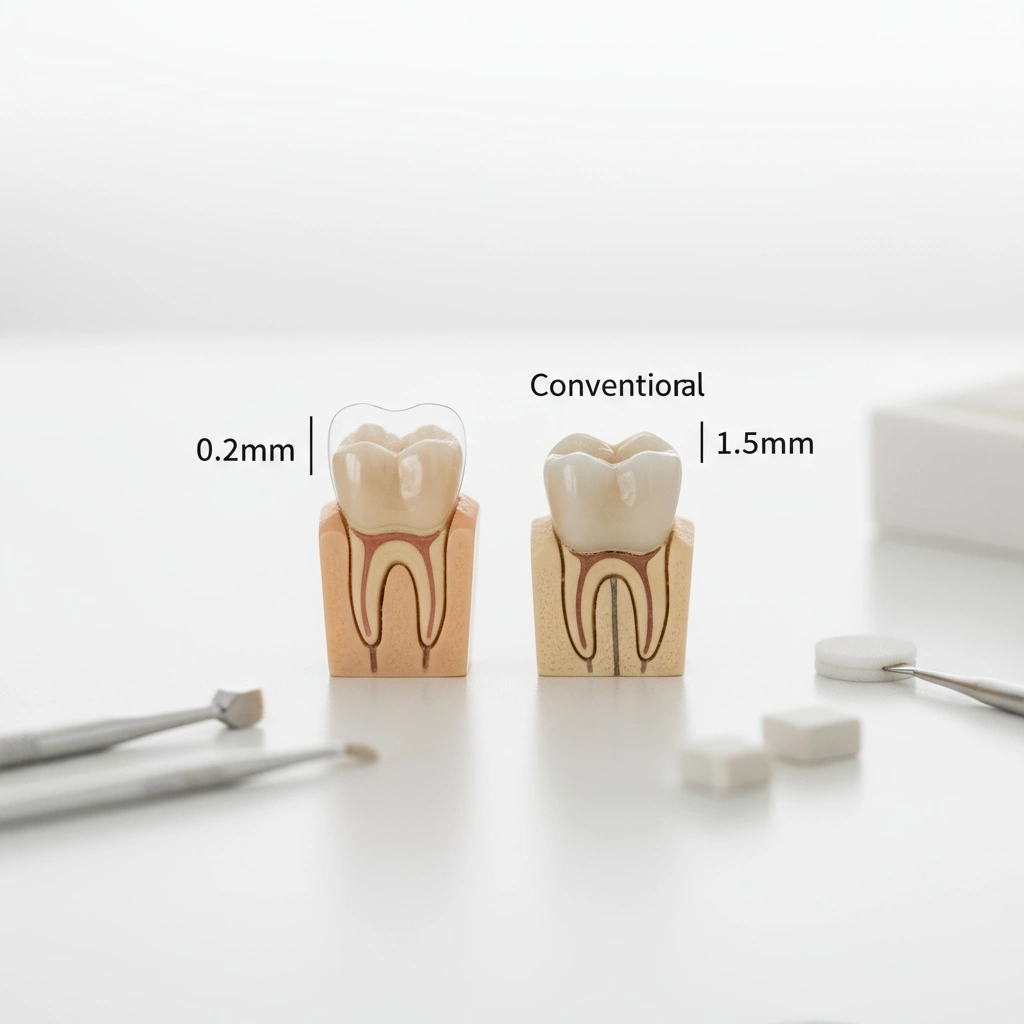
As the name suggests, No-Prep laminates are a procedure that involves virtually no tooth removal. The restorations used are typically thin, around 0.2 to 0.3 millimeters thick, allowing the natural tooth to be preserved without compromising its essence. Unlike traditional laminates, which require an average of 0.5 to 1 mm of tooth removal, the No-Prep procedure only touches up to 0.1 mm or less, which significantly reduces the risk of nerve damage or pain. This means that No-Prep laminates can be both aesthetically pleasing and natural-looking, while retaining the original shape and color of your teeth.
The biggest difference between the no-clearance procedure and the traditional method is whether or not it is reversible. While traditional laminates do not restore what has already been chipped away, porcelain veneers are highly regarded for their ability to preserve your natural teeth, as even when they are removed, they can be restored to something close to their original condition. They also rarely require anesthesia during the procedure, and if you are a good candidate, the treatment can be completed in a short amount of time. However, there are some practical differences, such as limited applicability and a somewhat higher price point.
| 항목 | Laminate without deletion | Plain laminate |
|---|---|---|
| Amount of teeth deleted | 0 mm or 0.1 mm or less | 0.5 to 1 mm on average |
| Pain/Tingling Symptoms | Almost none | Some patients present |
| Try uninstalling and reinstalling | Yes | Not possible due to structural damage |
| Natural Tooth Preservation | High | Low |
| Price points | 40-80K on average | 30-60K |
The great thing about No-Prep laminates is that they don’t just change the appearance of your teeth, they preserve as much of the “essence of your teeth” as possible. They are customized to the patient’s lifestyle and needs, and are highly satisfying because of their natural look that doesn’t feel awkward in everyday life. However, they are not a one-size-fits-all solution, so it’s important to determine your suitability after a thorough examination.
What are the advantages and disadvantages of No-Prep laminates?
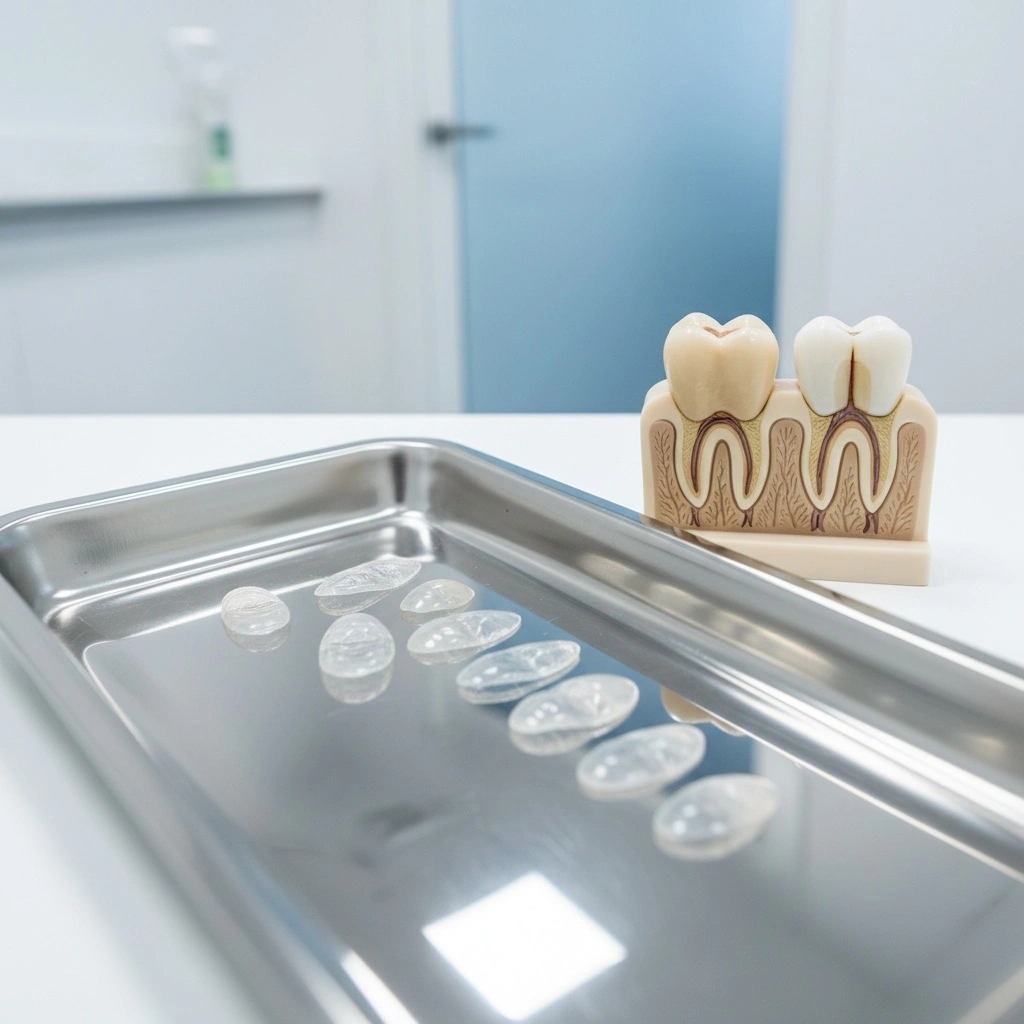
No-Prep laminates are an aesthetic treatment that prioritizes the prevention of tooth damage, and the main difference between them and traditional laminates is their “natural tooth preservation. Since there is very little tooth removal, your original teeth are left intact, ensuring that their original structure is safeguarded after the procedure. The treatment is painless, with little to no anesthesia required, and usually only requires two or three visits, so it can be completed quickly enough to fit around your busy life. The finished result is a natural-looking smile, with a similar transparency and color to your real teeth for an awkward-free aesthetic. Best of all, the possibility of removing the prosthesis and returning to its original state if necessary makes it a particularly attractive option for younger patients.
Conversely, you should also consider the disadvantages of No-Prep laminates: first, the material is very thin, so there is a high risk of fracture on strong impacts. Second, it cannot be applied in cases of severe protrusions or irregular dentition, which limits its applicability. Third, the quality of the bonding process and design is highly dependent on the skill of the practitioner, which can lead to variations in results depending on the choice of practitioner. Therefore, no-clearance procedures are not a one-size-fits-all solution for everyone, and it is important to have a thorough diagnosis of your personal condition and goals before proceeding.
Key benefits of No-Prep laminates
- Natural Tooth Preservation: Keep your teeth without deleting them
- Minimized pain: procedure can be performed without anesthesia
- Rapid procedure: average 2-3 visits, completed in about 10 days
- Natural appearance: good transparency and color reproduction
- Possibility of restoration: Preservation of existing teeth upon removal.
Who’s eligible for No-Prep laminates? Who’s eligible and who’s contraindicated?
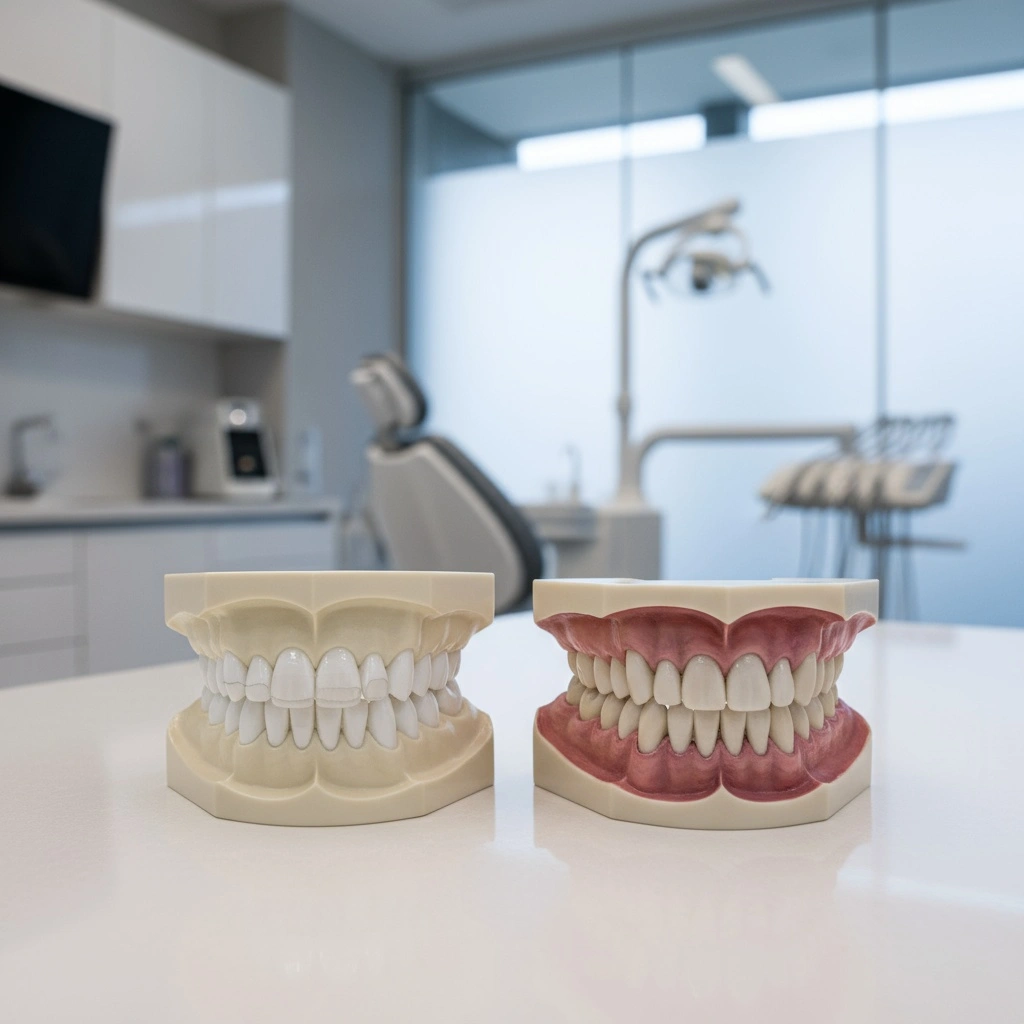
Indications (good cases)
Because they require very little tooth removal, No-Prep laminates are best suited for people whose teeth and oral structures are not significantly distorted, for example, if you have a small gap between your front teeth, or if your teeth are discolored and whitening is not an option.
Also, if your teeth are relatively evenly aligned, cavity-free, and healthy, you may be a good candidate for aesthetic changes only. In our real-life case studies, we’ve seen natural-looking results for office workers who underwent a consultation and pre-treatment evaluation for yellowing caused by caffeine. In another case, a person who had small teeth that made her smile look hollow experienced a satisfying transformation after customization.
This means that if you’re looking for aesthetic improvements or minor orthodontic benefits, you’ll most likely be a good candidate as long as your oral structure and tooth alignment are in good shape during your pre-treatment evaluation.
Contraindications and cautions
On the other hand, patients with severely misaligned teeth, such as protruding front teeth, or orthodontic-level malocclusions are not candidates for No-Prep laminates. Also, patients with severe tooth decay or gum disease need basic treatment first.
Patients who already have metal or rigid restorations, or those with excessive bite force and overbite, are particularly at risk of fracture. In these cases, excessive bonding can lead to dislodgement or chipping, and should be identified during the pre-treatment evaluation. In fact, some patients have had to be replaced with braces or other restorations because they were deemed impossible due to their oral structure.
In conclusion, don’t just look at cost or aesthetics, but look closely at your oral structure, tooth alignment, and bite before deciding whether or not to apply them to ensure they are safe and long-lasting.
Procedure and duration of the Clear Laminate procedure
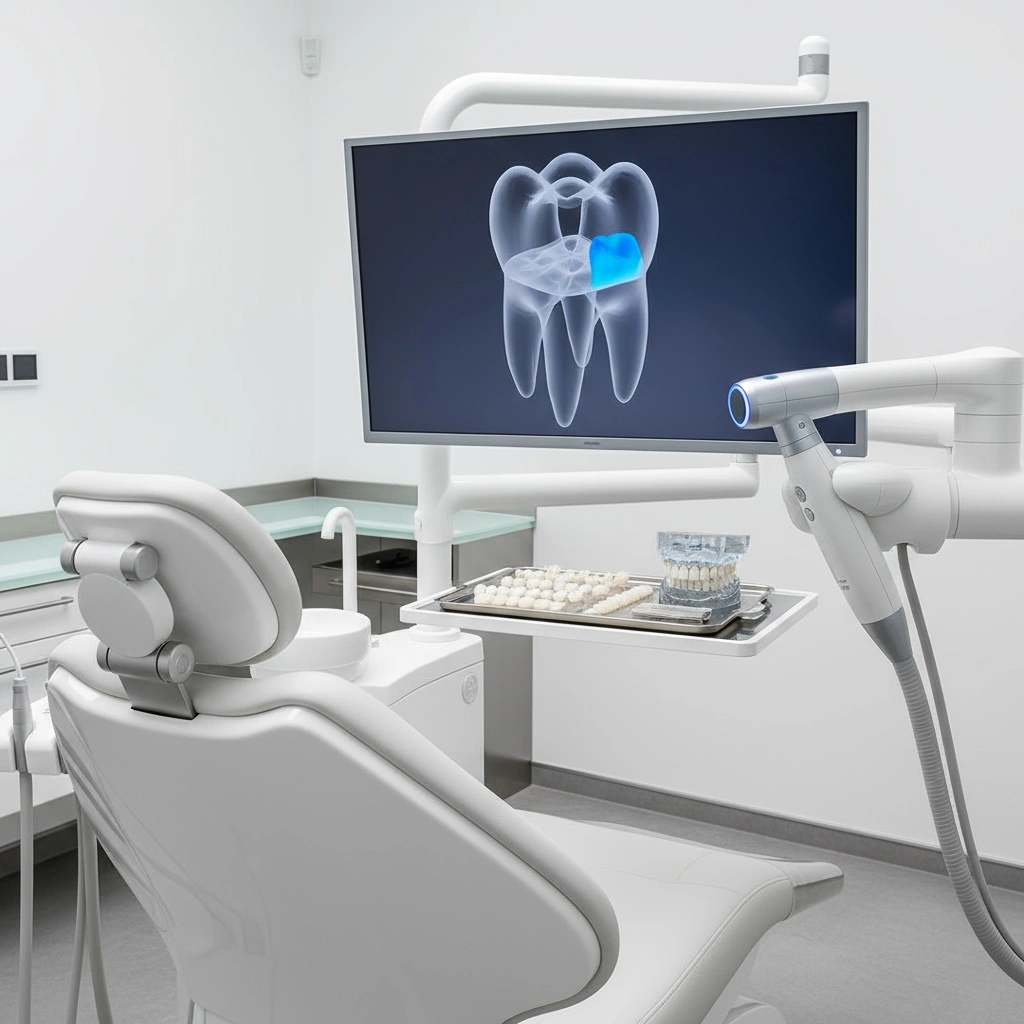
Although the procedure may seem simple, as No-Prep laminates involve minimal tooth removal, it is actually a meticulous process of preparation and careful analysis. Typically, a pre-procedure consultation is key to fully discussing the patient’s needs and expected outcome, followed by a detailed evaluation of the tooth structure to create a personalized treatment plan. This is followed by design and fitting of a temporary model based on the patient’s oral condition, and finally, the procedure is completed with the attachment of the final restoration.
Procedure Steps for Clear Laminate
- Counseling and treatment planning
- Analyze tooth condition with precision imaging (using a 3D camera)
- Design – Apply and refine temporary models
- Fabricate and attach the final ceramic
The length of the procedure depends on the patient’s condition and tooth structure, but it is usually based on two to three visits: a consultation and treatment plan is set up during the first visit, a temporary design is fitted and modified during the second visit, and the final attachment is done during the third visit. The actual day of the procedure takes an average of 45 minutes to an hour, and the advantage is that you can go about your daily routine immediately after attachment. Patient satisfaction is high because there is no unnecessary tooth removal, so anesthesia is rarely needed, and the entire process is relatively comfortable.
Why Do Clear Laminate Costs Differ? Price factor analysis and comparison
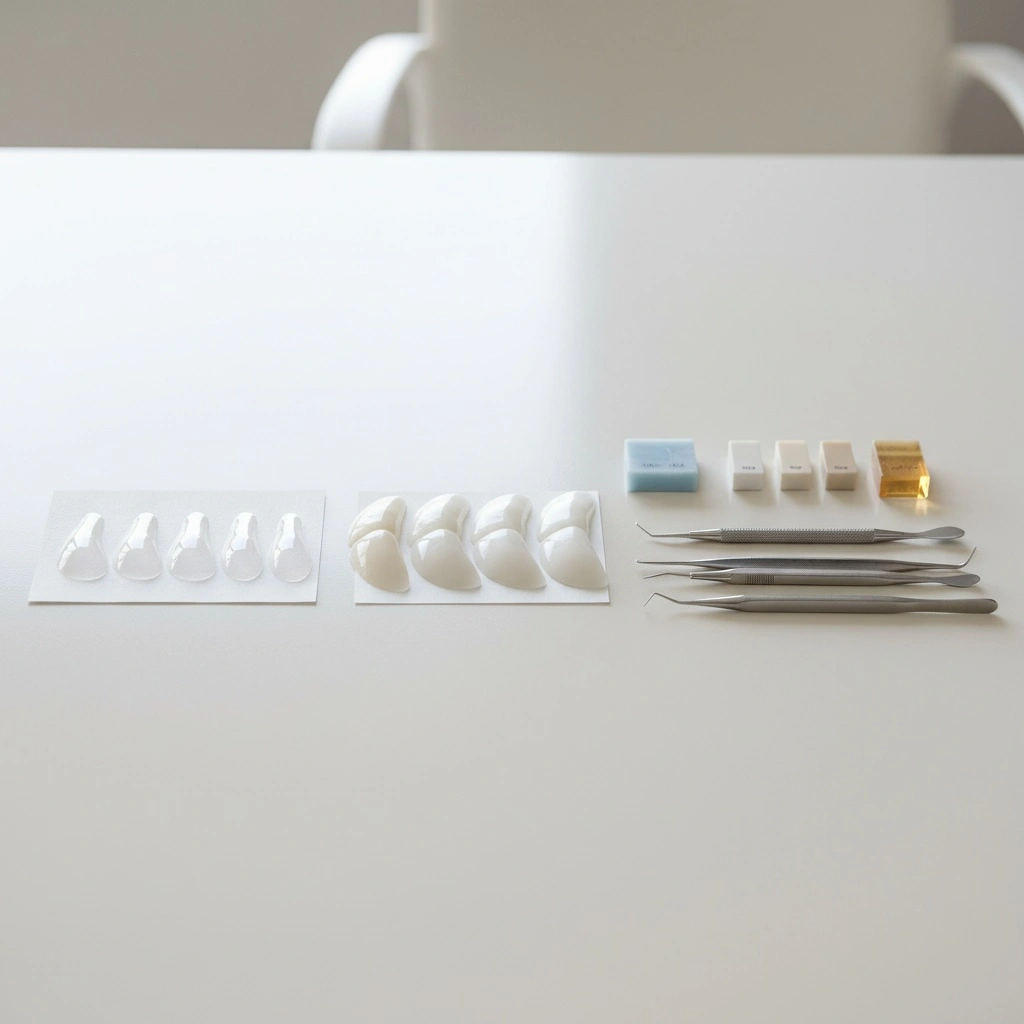
The first question you might ask when comparing the cost of No-Prep laminates is, “Why does it vary so much from one clinic to another?” The answer is that it’s not just the prosthesis itself that makes up the cost, but also the materials, the drilling process, the precision of the design, the skill of the practitioner, and the aftercare warranty.
In fact, the average cost of a porcelain veneer ranges from $400 to $800 per piece, depending on the type of ceramic used, the technician who makes it, and how precisely the design of the tooth is customized. The final price can also vary depending on the extent of post-treatment maintenance services, which can result in hidden costs.
While you may be satisfied with the initial installation, you run the risk of spending more money if you run into problems such as poor adhesion or fractures. In the end, it’s always better for patients to consider long-term cost-effectiveness over short-term pricing, especially when it comes to ablative methods, which can vary greatly in the hands of the operator.
The following table provides a quick overview of the average cost and key differences between no-cut laminate and regular laminate.
| 항목 | Laminate without deletion | Plain laminate |
|---|---|---|
| Average cost (1 piece) | 40 to $80 | 30-60K |
| Materials | Specialty ceramics / reinforced resins | General ceramic |
| How it’s made | Personalized/Precise Design | Relative simplicity |
| Durability | 7 to 10 years | 5 to 7 years |
| Operator skill level impact | large | Medium |
To summarize, although porcelain veneers may seem a bit more expensive upfront, they are a more cost-effective choice in the long run when it comes to preserving natural teeth and maintaining aesthetics.
Care and precautions after a clear laminate procedure
While porcelain veneers are a great option because they preserve as much of your natural teeth as possible, they can be prone to problems such as chipping and staining if not properly maintained after the procedure. One of the most common questions we get asked is, “How long do veneers last?” With proper maintenance, you can expect them to last an average of 7 to 10 years, but this depends on your lifestyle and how well you follow the post-procedure instructions.
For example, neglecting to prevent wear and tear from hard foods can increase the chances of cracking or chipping. Drinking staining drinks like coffee and wine can also reduce the clarity and color of the laminate. Basically, it’s essential to keep up with regular checkups to check the bonding and gum health. Initially, you may experience some discomfort or a foreign sensation, but this usually goes away within two to four weeks. At the end of the day, the point of porcelain veneers is not just to make your teeth look pretty, but to make them last longer with the right post-procedure care.
Post-procedure maintenance tips
- Avoid eating solid foods (nuts, candy, etc.)
- Avoid excessive consumption of beverages (coffee, wine, etc.)
- Checkups and scaling occur every 6 months
- Initial pronunciation or foreignness adjusts in 2-4 weeks
- Pay attention to attachment boundaries when brushing
The uncensored laminate effect in patient testimonials and real-world examples
When looking at patient testimonials from people who have undergone porcelain veneers, the most common comments are “natural color” and “no discomfort.” In real customer reviews, patients consistently share that the procedure feels like their natural teeth without any awkwardness. Some report experiencing a change in pronunciation or a foreign body sensation in the first few days, but this usually resolves within two weeks, leading to satisfactory results. On the downside, there are concerns about the high price point and durability, with many noting the potential for fracture if subjected to hard impacts or eating hard foods. Overall, however, the reviews are mostly positive, with many patients wanting to have teeth that shine naturally when they smile.
In one case study, a 32-year-old female patient had been undergoing consistent whitening treatments for color imbalance in her front teeth, but hadn’t reached the desired level of improvement. She opted for No-Prep laminates, which took a total of three visits and involved the placement of custom ceramic restorations. She experienced a slight foreign body sensation immediately after the procedure, which disappeared within two weeks, and the final result was a noticeable brightening of her smile line. This is a patient experience that we see repeatedly in real-world customer reviews, where the psychological satisfaction of the outcome itself is significant, even if the price and maintenance need to be considered realistically.
Real Life patient testimonials and case studiesto see how we’ve been able to make No-Prep laminates a natural fit for some of our patients.
Checklist for choosing a dentist for your procedure
While the main benefit of No-Prep laminates is the preservation of your natural teeth, the quality of your results will ultimately depend on where you get them done. When it comes to choosing a dentist, the first answer is experience. The second is the materials used – make sure your dentist specializes in using proven materials such as genuine ceramics and reinforced resin to minimize issues like chipping and poor adhesion. The latest technology means that your custom design will be more precise and last longer. The aftercare system is also essential, with a clear warranty period and after-sales service to avoid unnecessary costs in the event of an unexpected situation. Finally, the consultation process is important. It’s a good idea to talk to at least three or four companies to find the right design and the best deal. Here’s a quick checklist of what to look for in practice.
- Practitioner experience and aesthetic treatment experience
- Whether the materials used are authenticated
- Existence of a warranty period and aftercare system
- Whether you run your own shop or work with a professional
- Availability of detailed pre-procedure consultation and design simulation
No-Prep laminates, adhesion and overall balance are more important than the amount of deletion
While No-Prep laminates can provide a natural-looking aesthetic improvement with little to no damage to your teeth, they’re not right for every case. Your tooth alignment, degree of discoloration, and bite will affect your chances and results, so an accurate diagnosis and custom design are important.
When choosing a procedure, don’t just look at “less removal,” but consider the overall balance of adhesion, durability, and color reproduction. Consider long-term stability and maintenance over short-term cosmetic results to reduce unexpected side effects.
Costs can vary widely depending on the materials used, the procedure, and the level of precision. In addition, the longevity or satisfaction of laminates can vary depending on the individual’s dental condition and lifestyle, so it’s best to review several cases and make a decision after a thorough consultation.
If you’re considering porcelain veneers, we encourage you to compare information in a way that will reduce your anxiety about tooth damage and unnaturalness. Thank you for reading this long article.