
Many patients come in for implant consultations and are told, “You don’t have enough bone, so you need to do a bone graft first.”
A note from Dr. Kim — Most people read dental articles after a worry has already started. Knowing that, I kept this guide to what you need to decide, not what might scare you.
Our principle at Blanche is minimal intervention, maximum beauty. We plan for your smile twenty years from now, not just for today.
For the patient, it’s like, “Oh, yeah, I’m going to have to get a transplant.”
But the truth is, not all cases require bone grafting, and as a dentist, I feel really bad about that.
This is because unnecessary bone grafting can only prolong the duration of treatment, and come with side effects and costs.
The other day, a male patient in his 50s came in.
He had already been diagnosed by another dentist who said, “You don’t have enough bone, you need to do an extensive bone graft.”
But when it came to scheduling the surgery, I didn’t feel comfortable, so I came to Blanche Dental as a last resort.
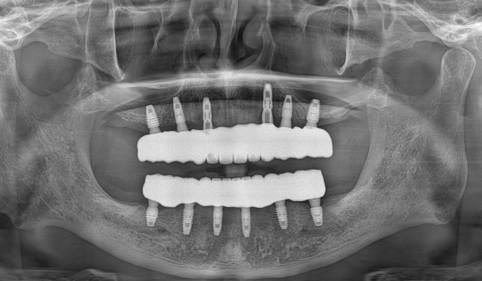
After a CT scan to check his bone health, it was determined that he didn’t actually need a bone graft.
The bone density was sufficient, and if the implant was chosen well, it could be placed reliably without the need for bone grafting.
The patient was relieved, saying, “I was about to have a major surgery for nothing, and I was told that the treatment would take more than six months, but your explanation mademe feel much better.”
Why is unnecessary bone grafting a problem?
Delayed treatment
Extensive bone grafting requires waiting at least 4-6 months for the grafted bone to harden sufficiently. This unnecessarily lengthens the implant treatment.
Risk of side effects
The bone graft material may not be absorbed well, or an infection may develop. If this happens, you may need to have surgery again, or your treatment may be complicated.
Increased costs
For the patient, this means more surgeries and more money. This is acceptable if it’s absolutely necessary, but it’s wasteful if it’s unnecessary.
So when is a bone graft really necessary?
Of course, this doesn’t mean you don’t need a bone graft at all.
For example,
- If it’s been a long time since the tooth extraction and the bone has resorbed badly
- If your maxillary sinus (upper jaw molar bone) has descended a lot and you don’t have enough space
- If you have narrow gums that don’t have enough room to support an implant
In these cases, bone grafting is essential.
The important thing is to “make a professional judgment call about whether it’s necessary.”
Principles of Blanche Dentistry
“Minimal surgery, optimal results”is our philosophy.
After a detailed analysis of the bone condition using CT and 3D digital diagnostics, we first consider placing implants directly without bone grafting, if possible.
When bone grafting is unavoidable, we try to minimize the extent of the procedure to reduce the recovery burden on the patient and shorten the treatment period.

What we want to make sure you know
Dental implants aren’t just a “nail job,” they’re a major treatment that will stay with you for the rest of your life.
It’s in your best interest to avoid unnecessary surgeries and only get the treatment you need.
Bone grafting, not implants…
A thorough diagnosis and consultation with a specialist will help you find the right treatment for you.
At Blanche Dental, we accurately analyze your bone condition and provide customized implant treatment that minimizes unnecessary bone grafting.
We will continue to reduce patient burden and prioritize healthy outcomes.

What happens at your first consultation
1. We listen first — what bothers you and what you hope for. 2. We walk you through your scan results and every option.
3. You get itemized costs and timing, and you can decide later, even after you fly home. At Blanche, we explain everything at least four times, by principle.
Consultation — Blanche Dental is located between Nonhyeon and Sinnonhyeon stations in Gangnam, Seoul. For a consultation in English, message us on WhatsApp with your photos, and see our pricing page for current fees.