
We often hear the phrase “once you get an implant, you get an implant for life,” but in the real world, some people have them for more than 20 years, while others have problems after less than five years. Where does this discrepancy come from? Implant longevity depends more on post-procedure care, regular checkups, and how they were initially placed (the design and process) than on the procedure itself. In this article, we’ll summarize the criteria for determining what to look for and how to care for your implants to make them last longer.
Implants placed at the same time, why different results?
A few years ago, a male patient in his 60s came in saying, “I think I need to get my implants redone.” He had implants placed 10 years ago, but recently, he had noticed that his implants were shaking when he ate. Upon examination, we found that he had peri-implantitis, a severe recession of the surrounding gum bone.
She hadn’t been getting regular checkups and was a heavy smoker. Unfortunately, she ended up needing major surgery to remove the implant, bone graft, and re-implant. Peri-implantitis is difficult to detect without regular checkups because it has few symptoms in the early stages. By the time the bone starts to dissolve, it is often quite advanced.
In contrast, another patient who had the procedure at the same time is still using it today without any problems. The difference? Care habits and regular checkups.
Of course, this may sound like blaming the patient. But care isn’t the only factor that determines implant longevity – it’s the procedure that makes the difference.
Implants, what’s the average lifespan?

Studies have shown that the 10-year survival rate for dental implants is around 90-95%. Note that “survival” here simply means that the implant remains in the mouth, and may not necessarily mean that it is functionally perfect.
In real-world experience, it’s not uncommon for them to last 20 years or more, but it’s also not uncommon for them to require revision surgery after just a few years. In other words, they can be a “lifetime implant” or a “few years implant” depending on how you take care of them.
Generally, if they remain stable for a year or more, after that it becomes more important for you to take care of them yourself, especially checking regularly to make sure they don’t get stuck. If food gets stuck frequently or your gums are bleeding, it’s likely that gum inflammation has begun. Recognizing these signs and visiting your dentist right away is the first step to making your dental implants last longer.
Peri-implantitis, why is it scary?
Peri-implantitis is similar to gum disease in natural teeth, but it can progress much faster. While natural teeth are cushioned somewhat by a tissue called the periodontal ligament, which connects the bone to the tooth, dental implants are attached directly to the bone, making it easier for inflammation to travel directly to the bone.
That’s why earlydetection of peri-implantitis is so important. By the time symptoms are felt, it’s often already quite advanced, and if bone loss is severe, the implant may need to be removed and re-implanted. That’s where regular checkups come in.
3 factors that determine implant longevity

1) Precise procedure and material selection
Implants aren’t just placed, they need to be positionedand angled correctly to matchyour bone and gum conditions, so the experience and planning of your surgeon is key. A bad placement can lead to a short implant life, no matter how well you care for them.
Placement based on experience without CT analysis, or without an accurate assessment of the bone condition, can lead to poor initial fixation. Poor osseointegration between the implant and bone can lead to accelerated bone loss and increased likelihood of loosening in the long term. The quality and manufacturer of the implant can also affect long-term stability.
2) Regular checkups and scaling
It’s a good idea to have your dentist check your dental implants at least once every six months to a year, to make sure they’re not becoming inflamed. This is because peri-implantitis, if caught early, can be treated relatively simply to stop it from progressing.
If caught early, they often don’t need to be removed, so it’s a good idea to have them checked. At your regular checkup, we’ll take x-rays to check for bone loss, and check the condition of your gums and the cleanliness around the implant. If any problems are found during this process, scaling or gum treatment can slow or stop the progression.
3) Manage your lifestyle
Smoking, excessive alcohol consumption, and clenching (grinding your teeth) are common factors that can shorten the life of your implants. Proper brushing and, if necessary, the use of an auxiliary device such as a nightguard (splint) can help extend the life of your implants.
Smoking, in particular, can interfere with gum blood flow and weaken bone bonds, while grinding can put excessive force on the implant, causing screws to loosen or the prosthesis to crack. Frequent chewing of hard or chewy foods can also put stress on the implant. When brushing, it’s important to gently but thoroughly clean the area around the implant, and flossing or using an interdental toothbrush works well.
Blanche Dental Implants Puts ‘Design’ Before Procedure
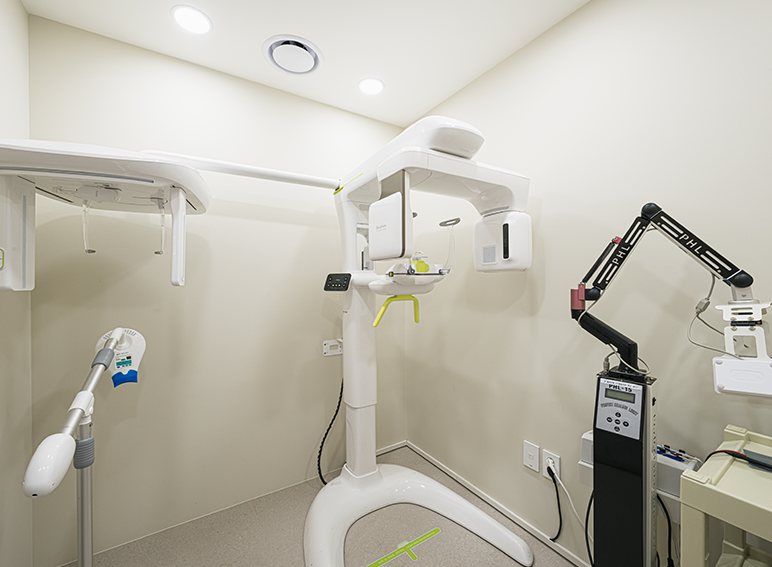
We don’t just “place” your dental implants; we use precision CT and 3D simulation to analyze your bone health, minimize the surgical burden with minimal incisions, and enhance the long-term stability of your implants with a customized maintenance program.
We create a treatment plan that combines function and aesthetics, including harmonizing with aesthetic prosthetics when necessary. We believe that implants should be designed to last, so we analyze the bone condition, gum thickness, and relationship with neighboring teeth before planning the treatment.
Check out the available options for my bone state in Blanche

Implants are a difficult treatment to reverse once they’re in place, so there’s no need to make a quick decision. The process of first seeing what’s possible with my bone condition and what care is needed often dictates the outcome.
At Blanche Dental, we don’t recommend treatment first. We’ll explain the options available to you given the current state of your teeth and gums, and help you decide which direction is right for you. If you’re not sure what direction you’d like to take with your treatment, we invite you to come in for a consultation to go over your options.