
Here are some of the most common questions we get from patients who come to the dentist.
A note from Dr. Kim — Most people read dental articles after a worry has already started. Knowing that, I kept this guide to what you need to decide, not what might scare you.
Our principle at Blanche is minimal intervention, maximum beauty. We plan for your smile twenty years from now, not just for today.
“Dr. Director, implant surgery… does it hurt a lot?”
This question isn’t just curiosity, it’s fear and anxiety.
In fact, many patients put off treatment because they are worried about pain.
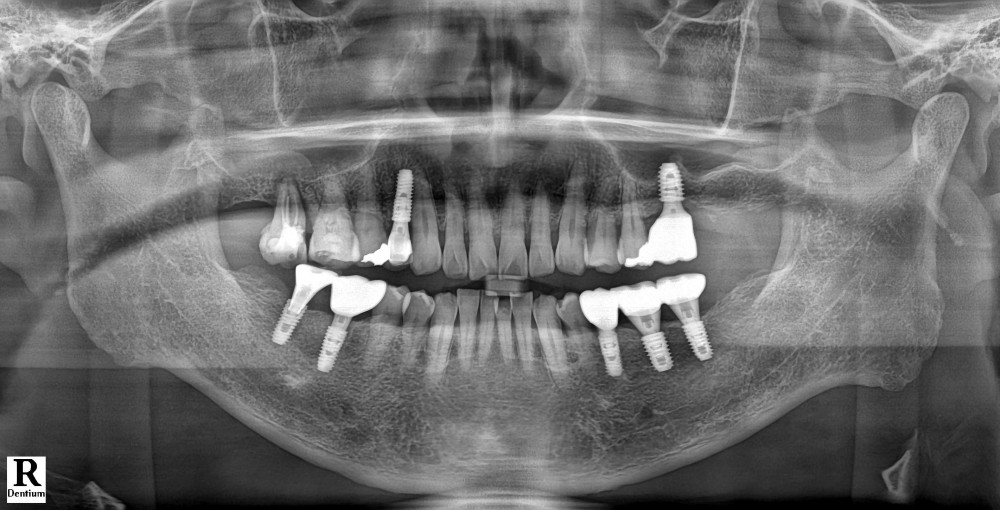
The other day, a female patient in her 50s came in.
I had a molar extracted and neglected for years.
Your teeth are crooked on both sides and food keeps getting stuck in them.
That was the first thing he said when I suggested the implant.
“Surgery… do you think I can handle it?”
I explained to the patient in the consultation room as I showed her the dental CT images.
“I know the word ‘surgery’ sounds scary,
but it’s actually done under local anesthesia, so there’s very little pain.
In fact, it often feels less painful than a tooth extraction.”
In fact, according to a study from Seoul National University School of Dentistry (Lee et al., J Oral Maxillofac Surg. 2012),
More than 70% of patients who had implant surgery reported that it was “less painful than a tooth extraction.”
This is because the implant surgery is performed with micro-incisions and local anesthesia.
Pain during surgery – why do I rarely feel it?
Most implants are performed with local anesthesia.
After the anesthesia injection, your gums and bones are numb, so you won’t feel any pain during the surgery.
In recent years, IV sedationhas also been used to significantly reduce anxiety.
Patients often describe it as ‘like they just woke up from a nap’.
How long will I be in pain after surgery?
What many people fear more is “post-op pain.”
In most cases, there is some discomfort for 2-3 days immediately following surgery,
and taking prescribed pain medication will not interfere with your daily activities.
Swelling and pain are dramatically reduced, especially with minimally invasive digital implants.
According to a clinical study from Hanyang University (Kim et al., Clin Oral Implants Res. 2016),
The digitally guided minimally invasive implant group had a more favorable outcome than the traditional group.
More than 40% reduction in post-operative pain has been reported.
This means that dental offices with modern digital systems can reduce patient inconvenience.
The same was true for the 50-year-old patient I mentioned earlier.
I remember what you said as you got out of the examination chair after the surgery.
“No, is this already over, because it didn’t hurt as much as I thought it would?”
He came back two days later with some swelling,
You took pain medication and recovered without much disruption to your daily activities.
And three months later, when he was fitted for his final prosthesis, he was all smiles.
“I put it off for years because I was scared. I should have done it sooner.”
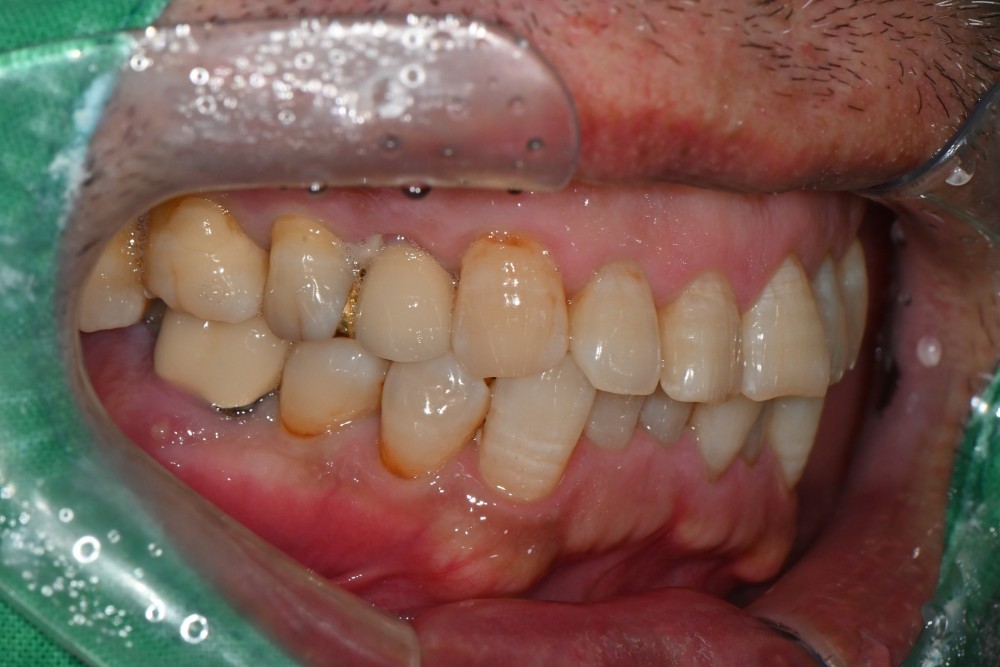
More important than pain
Implant surgery sounds intimidating because of the name,
There are many studies and patient experiences that show it is actually less painful than a tooth extraction.
Of course, as with any surgery, results may vary depending on the patient’s oral condition, systemic health, and the skill of the
dentist.
So the question is, “Which dentist do I have my surgery at?”
Have sophisticated diagnostic equipment
Are you using a minimally invasive digital system
Is the procedure performed by an experienced provider
These three things should be in place to minimize the “pain” that patients dread.
I am Dr. Kim Tae-hyung, King of Dentistry,
We don’t view dental implants as just “planting surgery.
We believe that reducing patients’ fears and making the entire treatment process safe and comfortable is the key to
implant treatment.
My answer to the question “implants, do they hurt?”is this.
“It rarely hurts, it’s where and who you get it from that matters.”
For your teeth and your quality of life,
We recommend that you have it done safely by a professional dentist.

What happens at your first consultation
1. We listen first — what bothers you and what you hope for. 2. We walk you through your scan results and every option.
3. You get itemized costs and timing, and you can decide later, even after you fly home. At Blanche, we explain everything at least four times, by principle.
Consultation — Blanche Dental is located between Nonhyeon and Sinnonhyeon stations in Gangnam, Seoul. For a consultation in English, message us on WhatsApp with your photos, and see our pricing page for current fees.